For a long time, fitness had a fairly simple address.
The gym.
You arrived.
You exercised.
You left.
Perhaps you returned several times a week.
The relationship was functional.
Today, that model is beginning to feel incomplete.
People still want strength, mobility, endurance, and physical health.
But increasingly, they want those things inside something larger.
They want thoughtful spaces.
Beautiful environments.
Healthy food and drink.
Community.
Ritual.
A reason to stay after the class ends.
This is the rise of the modern wellness club.
And in a city like Austin—where ambition, creativity, health, design, and culture constantly overlap—it makes perfect sense.
The Gym Is Becoming an Ecosystem
The traditional fitness model is built around access.
Equipment.
Classes.
Locker rooms.
Maybe a smoothie counter near the exit.
The modern wellness club begins with a different question:
How should someone feel while they are here?
That changes everything.
Movement is no longer treated as an isolated transaction.
Instead, it becomes one part of an experience that might include yoga, reformer Pilates, nourishment, conversation, recovery, and time spent in a beautiful environment.
The goal is not simply getting through a workout.
It is leaving feeling different than when you arrived.
High Performers Are Looking for Integration
Busy people do not necessarily need more options.
They need better integration.
Consider the typical wellness routine.
Pilates in one neighborhood.
Yoga somewhere else.
A smoothie on the way to work.
A networking event later in the week.
A coffee meeting across town.
Every good intention requires another transition.
And transitions create friction.
The more fragmented a routine becomes, the more effort it takes to maintain.
A wellness club simplifies the ecosystem.
You can move.
Refuel.
Stay.
Meet someone.
Attend something.
Then continue your day.
For professionals and creatives whose calendars are already full, that simplicity is valuable.
Luxury is often less about excess and more about removing unnecessary friction.
Movement Without the Noise
Modern fitness culture can be remarkably loud.
More intensity.
More metrics.
More transformation.
More comparison.
But many people eventually reach a point where they are no longer interested in proving that they can exhaust themselves.
They want to feel strong.
Capable.
Mobile.
Clear.
Reformer Pilates and yoga naturally fit this more sophisticated relationship with movement.
Pilates develops control, strength, precision, and stability.
Yoga offers mobility, balance, breath, awareness, and the opportunity to slow down.
Neither requires movement to become punishment.
Instead, the body becomes something to understand.
There is ambition in that.
Just a quieter kind.
Nourishment Belongs Inside the Experience
A thoughtful wellness experience should not end the moment class finishes.
What happens afterward matters too.
Maybe you are hungry.
Maybe you have an hour before your next meeting.
Maybe you want something cold, fresh, and easy before returning to work.
That is why nourishment belongs naturally inside the wellness-club model.
A smoothie after movement is not merely an additional product.
It completes the ritual.
Class.
Breath.
Conversation.
Smoothie.
Then the rest of the day.
When wellness activities connect naturally, consistency requires less effort.
And consistency is what ultimately turns good intentions into lifestyle.
Design Changes Behavior
Beautiful spaces are sometimes treated as superficial.
They are not.
Environment influences how we behave.
Walk into a harsh, chaotic room and the body reacts one way.
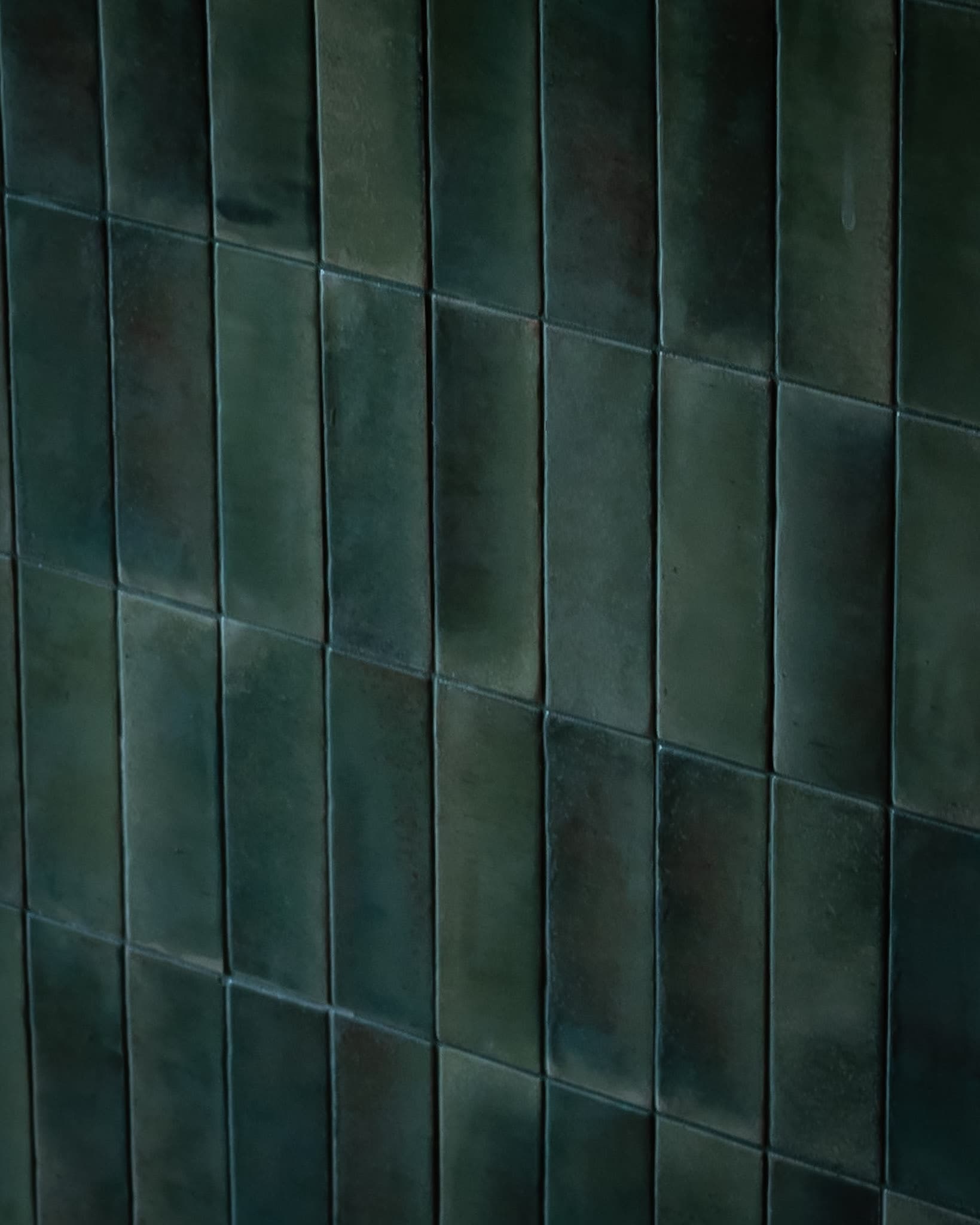
Walk into a space filled with natural light, thoughtful materials, calming proportions, beautiful textures, and a measured pace, and something changes.
You linger.
You breathe.
You look around.
You are less inclined to rush through the experience.
For premium wellness brands, design is not decoration.
It is part of the service.
Prana Wellness Club is intentionally design-forward because the physical environment communicates something: